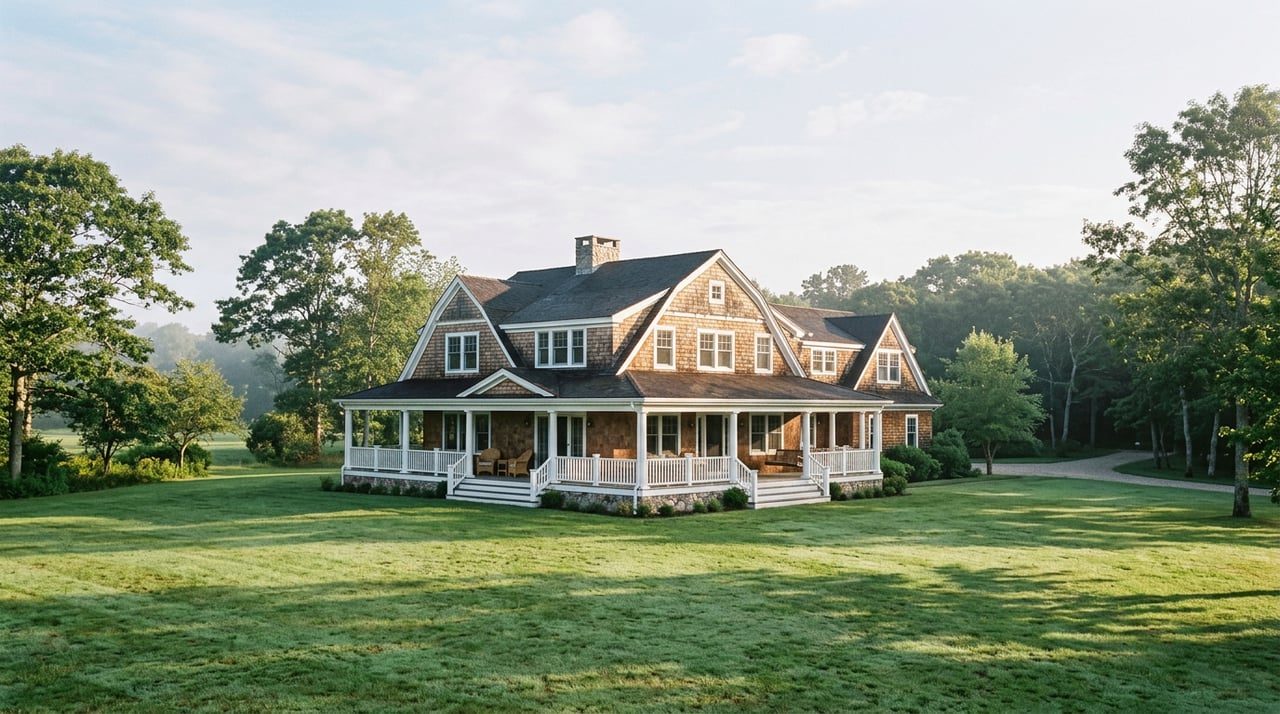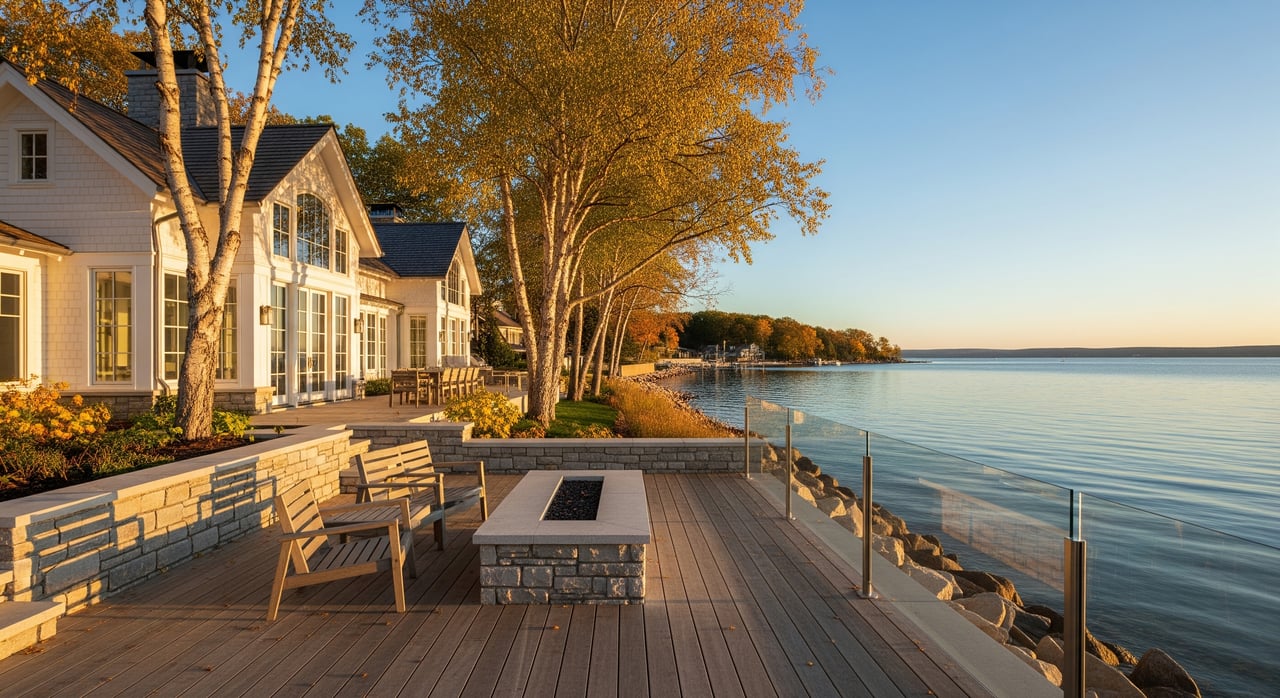
Wondering why homes seem to fly off the market in July but linger in January around Petoskey? In a place shaped by Little Traverse Bay, ski hills, and seasonal visitors, timing does a lot of heavy lifting. Whether you are buying or selling in 49770, understanding the rhythm of the year can help you move with confidence and avoid costly missteps. In this guide, you will learn how supply, demand, and pricing shift by season, plus practical tactics that fit your goals. Let’s dive in.
Why Petoskey is so seasonal
Petoskey is a true four-season market. You have year-round residents, lakefront and near-lake second homes, and properties used for short-term rentals. That mix creates stronger seasonal swings than many inland markets.
Two visitor seasons drive activity. Summer brings peak lake tourism and higher listing activity, especially for waterfront and vacation-focused homes. Winter draws ski traffic to nearby resorts, which creates short bursts of demand, even though total activity stays lower than summer. Spring and fall act as shoulder seasons, with momentum building into summer and easing after Labor Day.
Inventory and demand by season
Spring to summer: more options, more traffic
Listings typically ramp up in spring and peak in late spring to early summer. Seasonal owners often time the market to meet the summer buyer pool. Open houses and showings rise as the weather improves, and lake-oriented properties get the most attention. If you want maximum choice, this is when you will see it.
Winter: slower overall, ski-weekend spikes
Winter months bring fewer new listings and less total inventory. Showings are quieter, but the buyers who are out tend to be serious. Weekends and holidays during ski season can create quick bursts of interest, especially for cabins or homes close to ski areas. Overall, you may find fewer competing buyers and more time to evaluate homes.
Pricing, competition, and timing
Peak-season pricing pressure
In late spring and summer, more buyers are active and premium inventory is limited. That combination can push sale-to-list ratios higher and lead to multiple offers on desirable properties like lakefront or turnkey vacation homes. Days on market often shorten in these months, which means you need to be ready to act when a match appears.
Winter leverage for buyers
In winter, you may see longer days on market and less competition. That can open space for negotiating price or terms, including closing costs or flexible timelines. High-demand lakefront or well-positioned rental-ready homes can still command strong prices year-round, but many listings present more room to negotiate during colder months.
What this means if you are buying
Best times for choice vs value
- Late spring to summer gives you the widest selection, especially for waterfront and vacation properties.
- Winter and late fall often give you more negotiating leverage with fewer competing buyers.
- If you need to buy in peak season, be pre-approved and ready. If your timeline is flexible, use shoulder seasons to explore without pressure.
Inspections and weather checks
Winter inspections need extra care. Irrigation lines may be shut down, roofs can be snow covered, and exterior issues may be harder to see. Budget for winter-specific checks and ask for access to key systems when possible. In summer, you can better evaluate landscaping, shoreline, docks, driveways, and septic performance during higher use.
Financing and appraisal timing
Lenders work year-round, but local appraisers and inspectors can get booked in late spring and summer. Build a little buffer into your timeline if you plan to close during the busiest months. If you are buying a vacation property and want to qualify using rental income, expect to provide 12 to 24 months of documented history. Seasonality means earnings vary, so underwriting tends to be careful.
Due diligence for lake and rental use
Before you write an offer, confirm the rules that matter to your use. Understand any short-term rental requirements, HOA restrictions, parking guidelines, and year-round access. For lakefront, verify shoreline and dock permits, easements, and typical lake level conditions. Ask for utility and maintenance records, including winterization practices.
Buyer checklist by season
- Get pre-approved and align your budget with likely competition.
- Tour during shoulder or winter seasons if you want less pressure, but be ready to act anytime a match appears.
- Inspect seasonal systems and weather-sensitive components.
- Verify short-term rental rules and documented income if relevant.
- Add weather-specific contingencies in winter when appropriate.
What this means if you are selling
When to list for visibility
Spring and early summer typically deliver the most traffic. Listing slightly before peak season can attract early movers and create momentum that carries into summer. This is especially effective for lakefront and vacation-oriented properties where timing and presentation matter.
Off-season advantages
Listing in winter can reduce competition and bring out serious buyers. You may trade some price potential for a quicker, cleaner process. If you rely on short-term rental income, plan for the impact of showings on your booking calendar, and factor any revenue gaps into your timing strategy.
Pricing and marketing that fit the season
During high-demand months, you can price more assertively and leverage strong marketing to attract multiple offers. Off-peak, focus on realistic pricing and elevated presentation. In summer, showcase outdoor living, docks, landscaping, and water access. In winter, highlight cozy features, energy efficiency, heated garages, and proximity to ski areas. Use clear, season-appropriate photography that shows how the property lives right now.
Transaction logistics to plan ahead
Title companies, inspectors, and appraisers can be busier in spring and summer, so schedule early. If you are selling a rental or second home, prepare clean documentation of rental income and permits so buyers and lenders can move efficiently. Strong preparation reduces surprises and keeps negotiations focused on value.
Seller checklist by season
- Decide whether your priority is maximum price or a faster timeline.
- Time your listing to meet that goal, and plan around STR revenue if applicable.
- Invest in season-appropriate staging and professional photography.
- Gather rental history, permits, dock and shoreline documents, HOA rules, and maintenance records.
- Coordinate early with vendors and your agent to manage peak-season bottlenecks.
A quick seasonal timeline
- Winter, Dec to Mar: Lower overall inventory and showings, but steady interest on ski weekends. More room for buyer negotiations.
- Spring, Apr to May: Listings build, buyer activity rises, and preparation sets you up for summer visibility.
- Summer, Jun to Aug: Peak traffic and competition. Best exposure for lakefront and vacation homes, and often stronger pricing.
- Fall, Sep to Nov: Traffic softens after Labor Day and stabilizes. Good window for negotiated sales and winter prep.
Local nuances that matter
Because Petoskey is a resort and lake market, short-term rental rules, shoreline permits, and neighborhood guidelines can affect both value and financing. Documented rental performance, when available, helps buyers and lenders understand income potential. If you plan to buy or sell a property tied to STR use, collect accurate records and confirm local requirements early. For the most precise trends, your strategy should reference current local MLS data and municipal guidance.
Ready to plan your move
The right timing can add real value in 49770. If you want a plan matched to your goals, property type, and season, let’s talk through the options and map your next steps. Reach out to Kristin Keiswetter Clark to Plan Your Next Move.
FAQs
Is it cheaper to buy in winter in Petoskey?
- Often you have more negotiating leverage in winter due to fewer competing buyers, though premium lakefront or turnkey rental-ready homes can still sell strongly year-round.
When should I list a lakefront home in 49770?
- Spring or early summer usually brings maximum visibility and demand, while winter can work if you prefer a faster process with less competition.
How do short-term rentals affect financing on a purchase?
- Lenders often require 12 to 24 months of documented rental income, and seasonality means they review earnings history carefully before counting it toward qualification.
What inspection issues are unique to winter purchases?
- Plan for limited access to exterior systems, possible roof snow cover, shut-down irrigation, and seasonal HVAC checks; budget for winter-ready inspections and re-inspections if needed.
How competitive is summer around Little Traverse Bay?
- Buyer traffic is highest in late spring through summer, so multiple-offer situations are more common for desirable properties; being pre-approved and decisive helps you compete.