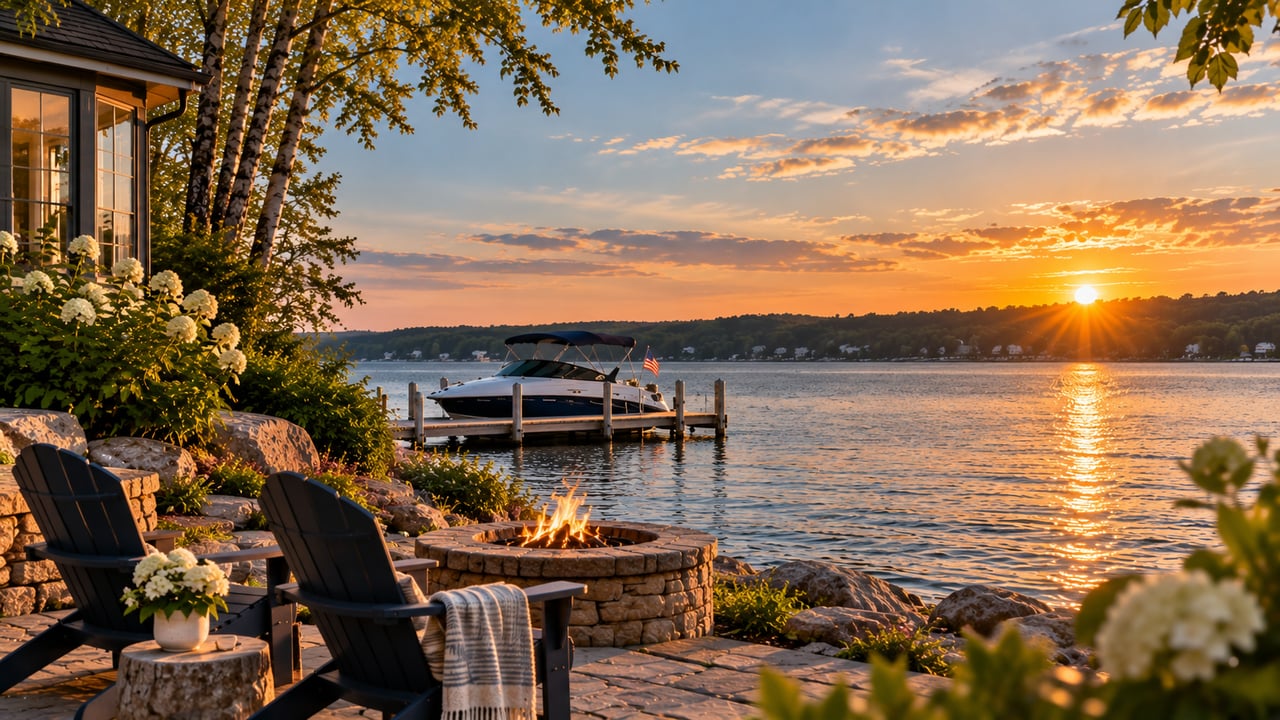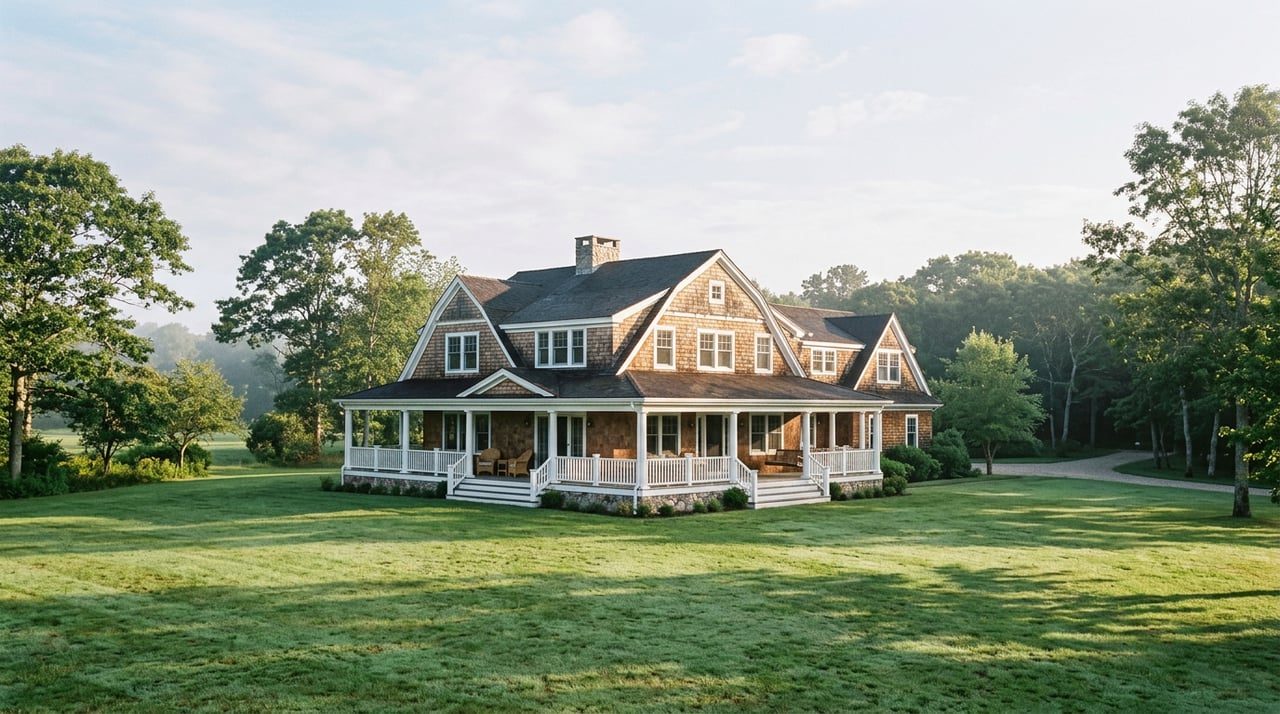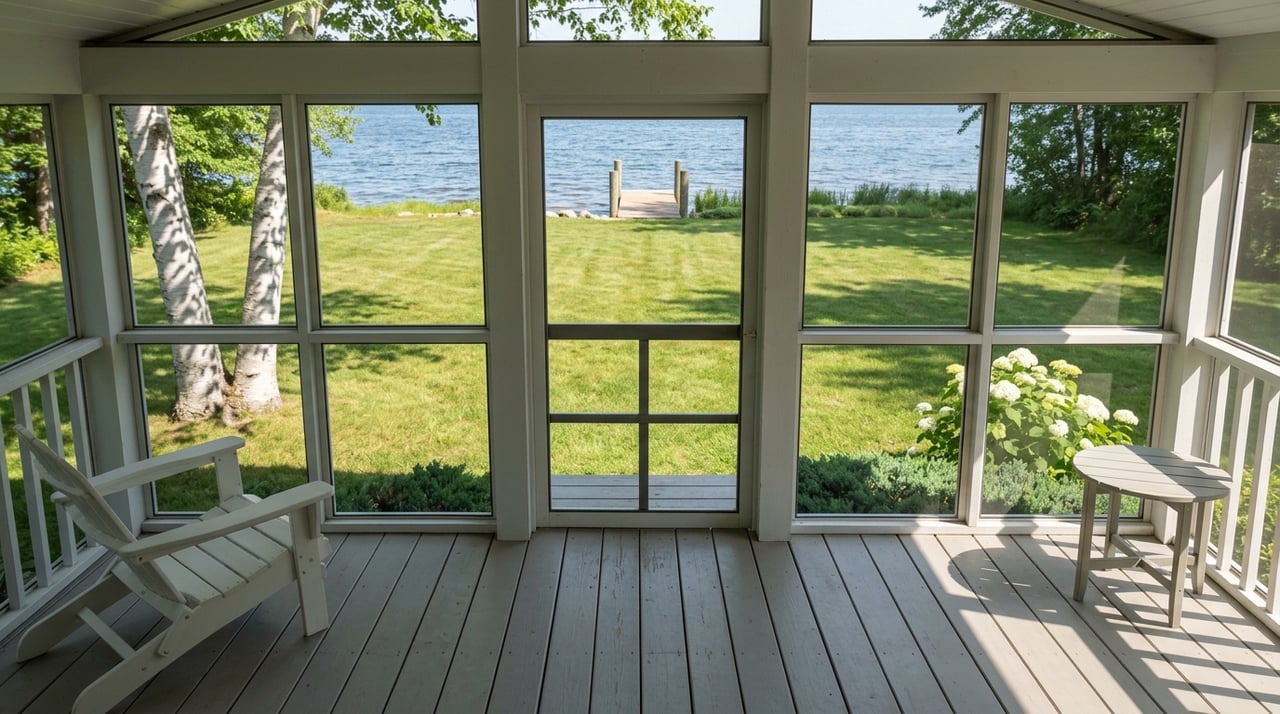
When your family cottage sits on Walloon Lake, the question is rarely just about real estate. It is about memories, responsibility, finances, and what comes next for everyone involved. If you are weighing whether to keep or sell, a clear look at the market, ownership options, and Michigan rules can help you make a thoughtful decision with less stress. Let’s dive in.
Why This Decision Feels So Big
Walloon Lake is not just any lake property market. It is a 4,270-acre freshwater lake with 30.3 miles of shoreline and a 26,500-acre watershed, according to the Walloon Lake Association and Conservancy. The same organization notes that it stewards more than 2,300 acres, including 54 preserves and 20 conservation easements, which helps explain why many families see a cottage here as both a private retreat and part of a larger legacy.
That emotional value often overlaps with serious financial value. Crain’s Grand Rapids reported that Walloon Lake ranked first among U.S. lake-home markets by average list price in Lake Homes Realty’s fall 2025 report, at $6.44 million. In that same reporting, Realtor.com showed only four homes for sale on Walloon Lake when the page was retrieved, a reminder that inventory can be limited even in a broader market with more available homes.
The Three Main Paths
Most families end up choosing one of three directions: keep the cottage, co-own it, or sell it. The right answer depends less on sentiment alone and more on whether the plan works in everyday life.
Keep the Cottage
Keeping the cottage usually makes the most sense when one part of the family actively uses it, everyone agrees on its purpose, and the group can comfortably handle the ongoing costs. That includes property taxes, insurance, repairs, utilities, and travel.
Both AARP and University of Minnesota Extension recommend starting with clear goals and putting them in writing. If your family wants to preserve a shared retreat for future generations, that goal needs structure behind it.
Co-Own the Cottage
Co-ownership can work well, but only when expectations are defined early. Michigan’s Department of Insurance and Financial Services explains that property held in joint tenancy passes directly to surviving owner or owners and does not go through probate. It also notes that one joint owner cannot sell their interest without the permission of the other owners, and that trusts can help control assets after death and avoid probate.
AARP recommends putting operating rules in writing. That includes how the cottage will be used, how expenses will be paid, how an owner can opt out, and how ownership may pass to the next generation. Without that framework, even close families can run into strain over scheduling, maintenance, or uneven financial contributions.
Sell the Cottage
Selling is often the cleanest path when heirs live far apart, need liquidity, or cannot agree on long-term use. It can also be the right choice when the cost of keeping the property no longer matches how often it is enjoyed.
AARP advises families to meet and decide together whether they want to keep or sell inherited property. In Michigan, real property often needs to move through probate unless it already transfers by another mechanism, which is one reason a structured sale process is often more manageable than a rushed one.
Questions to Ask Before You Decide
Before you choose a path, it helps to move from emotion to specifics. A family conversation tends to go better when everyone is reacting to the same practical questions.
Start With Actual Use
Ask who truly uses the cottage now, and who is likely to use it in the future. A property that is meaningful to everyone in theory may actually be used regularly by only one branch of the family.
That distinction matters. If only a few people are carrying the burden of time, travel, and maintenance, the arrangement may not feel fair for long.
Review the Real Costs
Owning a Walloon Lake cottage means more than paying the mortgage, if there is one. You also need to account for taxes, insurance, utilities, repairs, dock or shoreline upkeep, and seasonal maintenance.
If the property transfers after inheritance, taxes may also change. The Michigan Department of Treasury’s transfer-of-ownership guidance says that a transfer of ownership generally causes taxable value to uncap in the following calendar year, though some transfers are exempt.
Define the Goal
Try to answer one simple question: what is this property supposed to do for the family now? Your answer may be to preserve a legacy, create a shared gathering place, or convert the asset into funds that support other priorities.
There is no universal right choice. The best decision is the one that fits your family’s real goals, not just its history.
Decide How Decisions Get Made
If you keep the cottage, someone needs authority for everyday decisions. That may include repairs, schedules, bill payment, or handling unexpected issues.
University of Minnesota Extension recommends starting early, writing goals down, and reviewing them with everyone involved. That process can reduce confusion before problems grow.
Michigan Estate and Title Issues
For many families, the biggest surprises are not emotional. They are legal and procedural.
Probate May Matter
According to Michigan Legal Help, jointly owned property is generally outside the estate. But if real property is part of the estate, the simplified transfer-by-affidavit process does not apply.
That means some estates with real property may need assignment of property or a more formal probate process, especially if the estate is larger or disputed. If you are deciding whether to keep or sell, understanding how title is currently held is an important first step.
Basis Can Affect Capital Gains
Taxes can shape the keep-versus-sell decision more than many families expect. The IRS explains in Publication 551 that inherited property generally receives a basis equal to its fair market value on the date of death, or on an alternate valuation date in some estates.
In many cases, that means heirs who sell soon after inheriting may owe capital gains only on appreciation that occurs after death. The exact outcome depends on the facts, but this is one reason a current valuation is so important.
Medicaid Estate Recovery Can Apply
Another issue some families need to review is estate recovery. The Michigan Department of Health and Human Services says Medicaid estate recovery can apply to estates of certain deceased beneficiaries age 55 or older who received long-term care services, and the state may seek recovery from probate assets.
This does not affect every family, but it is an important question to raise early if long-term care benefits were involved.
How to Have the Family Conversation
These conversations are easier when they are planned, not improvised. If possible, meet before there is pressure to make a fast choice.
Put Goals in Writing
AARP and UMN Extension both recommend writing down the family’s goals. This helps separate assumptions from actual agreements.
A written list can include who wants to keep the property, who is willing to pay for it, how scheduling would work, and what happens if someone wants out later. That simple step often brings clarity quickly.
Focus on Facts, Not Positions
If one person says, “We have to keep it,” and another says, “We should sell,” the conversation can stall. It usually goes better when you focus on facts instead.
For example, discuss annual costs, expected usage, ownership structure, title status, and whether everyone can support the same long-term plan. That keeps the discussion grounded and more productive.
Give Everyone a Clear Exit Option
AARP recommends deciding in advance how a sibling or co-owner can exit or be bought out. This matters even in families with strong relationships.
People’s lives change. Jobs move, finances shift, and future generations may not want the same level of commitment.
If Selling Makes Sense, Plan the Transition Well
If your family decides that selling is the right move, the best next step is usually a calm, organized transition. That often means confirming title and estate authority, understanding the property’s market position, and agreeing on timing before the home is listed.
On Walloon Lake, where inventory can be limited and lakefront values can be significant, thoughtful preparation matters. A well-planned sale can help your family preserve dignity, reduce friction, and make informed choices at every stage.
If you are sorting through a sensitive cottage decision on Walloon Lake, working with a local advisor who understands both the market and the emotions behind a multi-generational property can make the process feel far more manageable. When you are ready to talk through timing, strategy, and the next best step for your family, connect with Kristin Keiswetter Clark.
FAQs
What makes a Walloon Lake cottage decision different from other inherited properties?
- Walloon Lake combines strong emotional value with a high-value lakefront market, which can make the decision to keep or sell more financially and personally significant.
What ownership issues should families review before keeping a Walloon Lake cottage?
- Families should review how title is held, whether the property may pass outside probate, how expenses will be shared, and what rules will govern use, maintenance, and future ownership changes.
What tax issue can affect an inherited Walloon Lake cottage in Michigan?
- A transfer of ownership may cause taxable value to uncap in the following calendar year, although some transfers are exempt under Michigan rules.
What federal tax rule matters when selling an inherited Walloon Lake cottage?
- Inherited property generally receives a basis equal to fair market value on the date of death, which can affect how capital gains are calculated if the property is sold.
What is the best way to start a family discussion about keeping or selling a Walloon Lake cottage?
- Start with a planned meeting, write down goals, review actual costs and usage, and decide early how disagreements or buyouts would be handled.