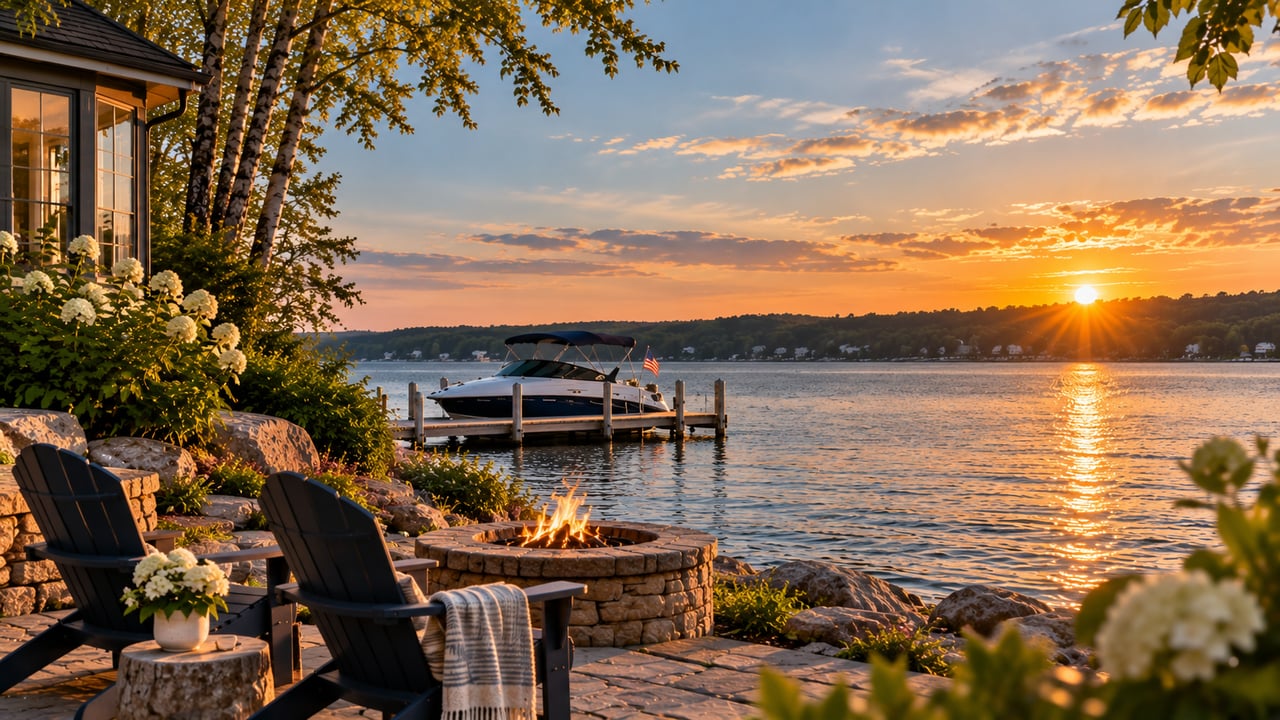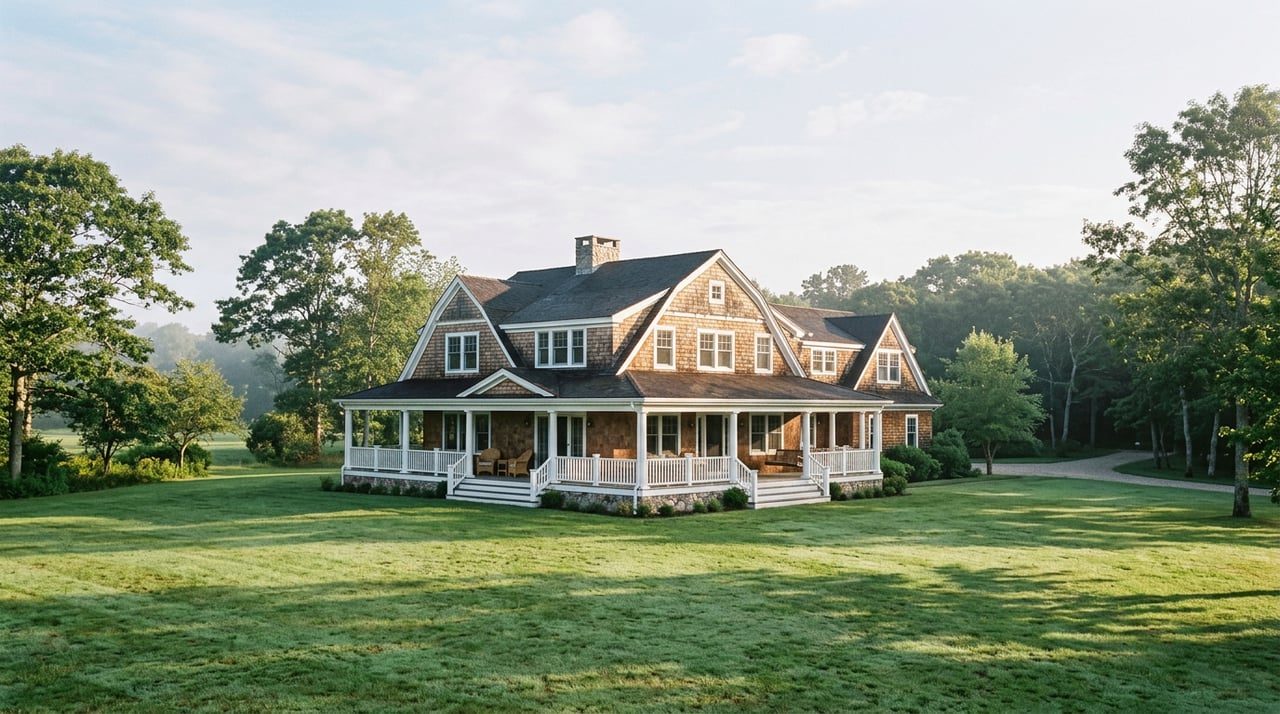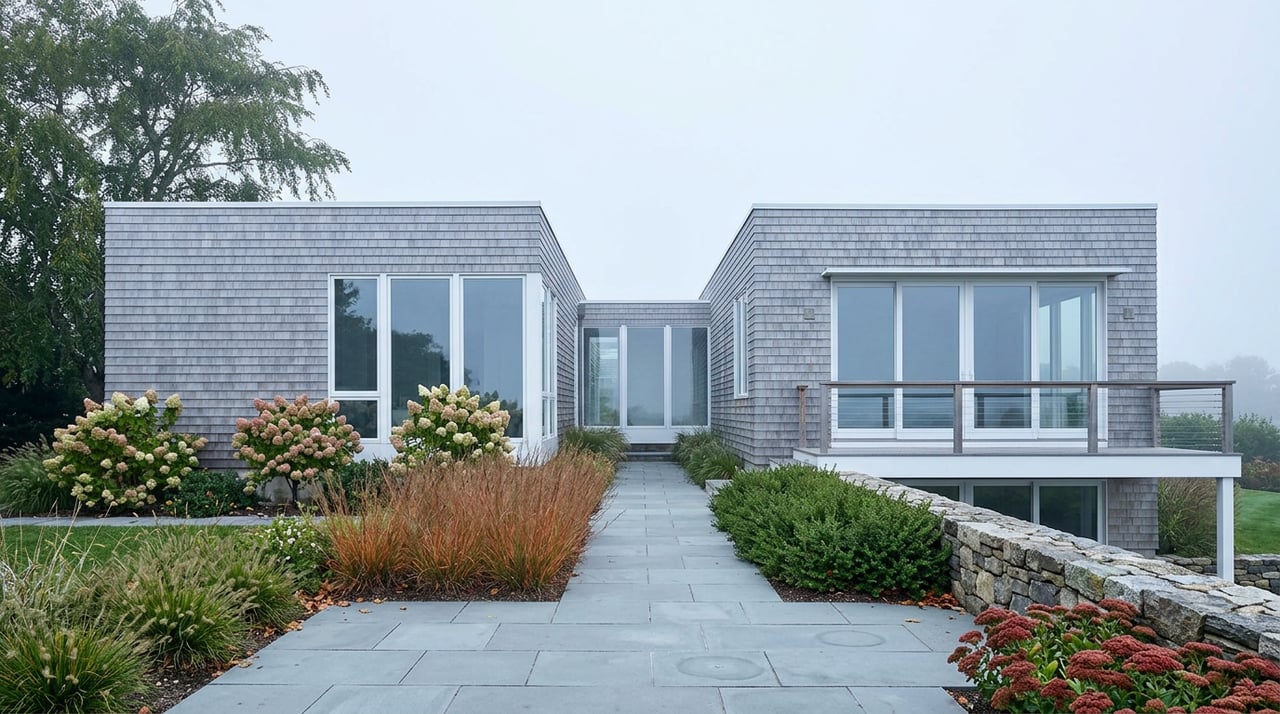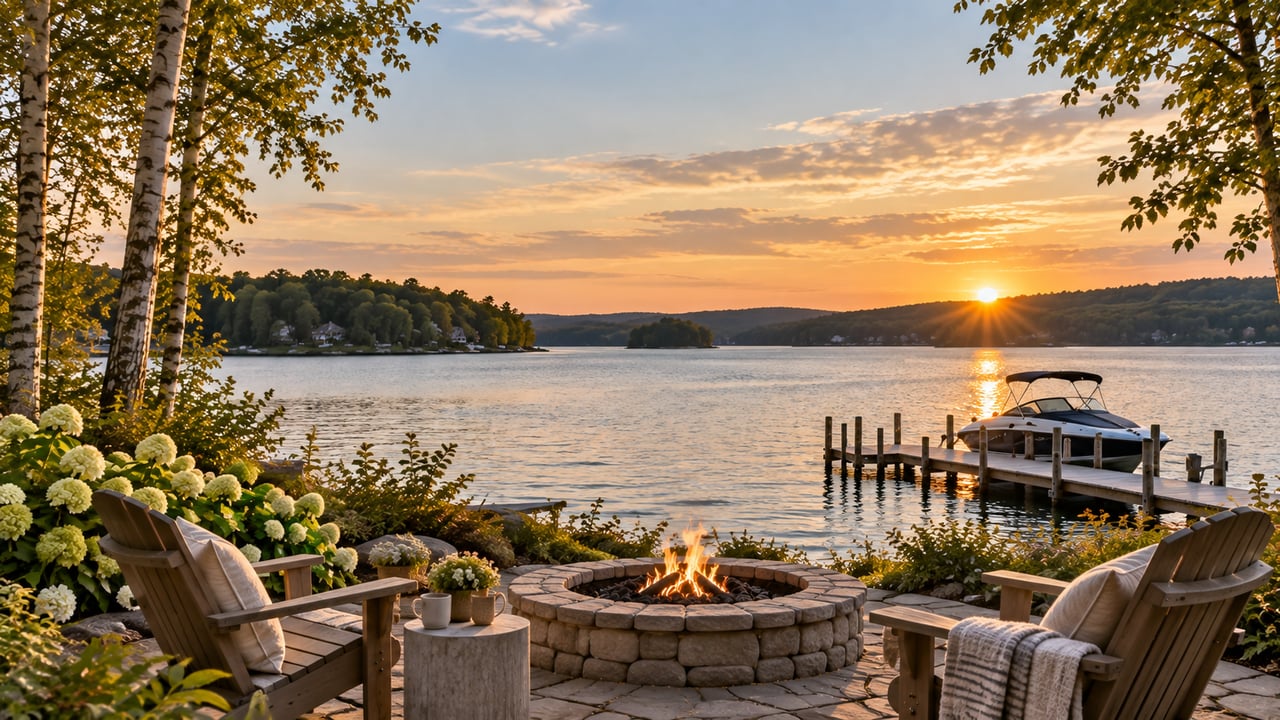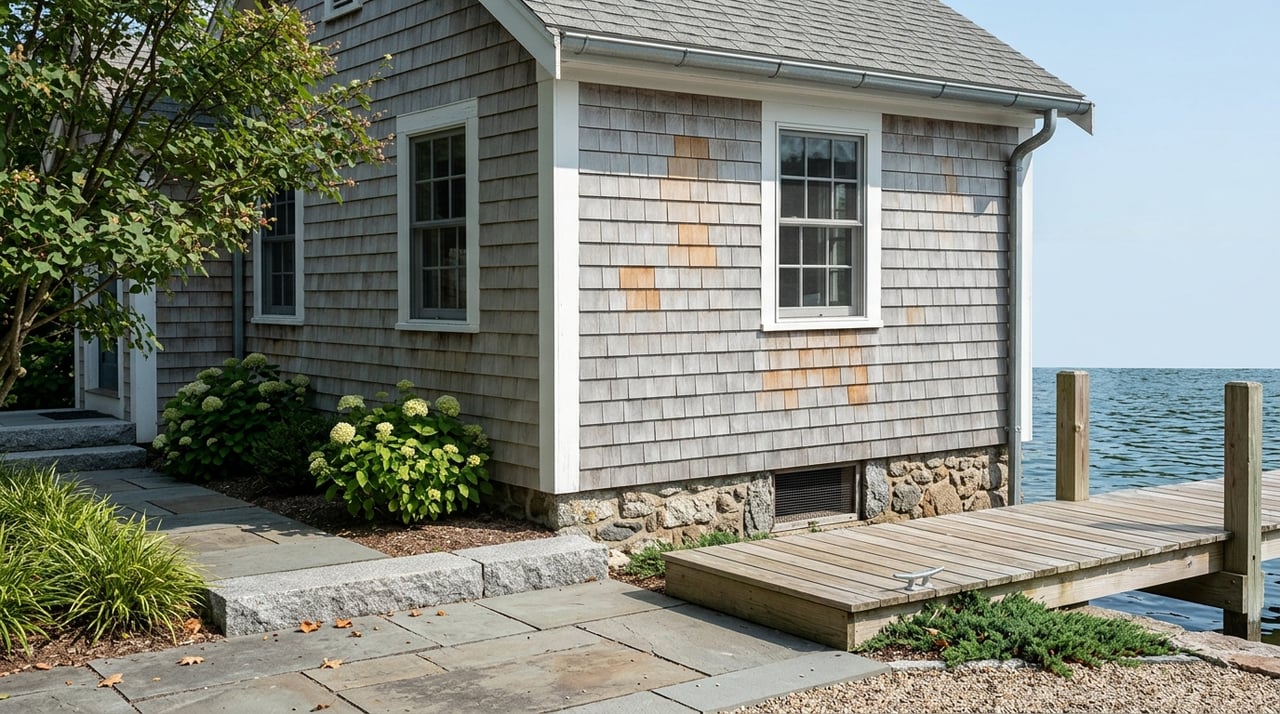
If you have fallen for the charm of an older cottage on Walloon Lake, you are not alone. These homes often offer character, lake access, and a strong sense of place, but they can also come with layered rules, aging systems, and shoreline details that deserve close review. Before you move forward, it helps to know what to inspect, what records to request, and which local agencies may affect your plans. Let’s dive in.
Why older Walloon Lake cottages need extra care
Buying an older cottage is different from buying a newer lake home. In many cases, you are not just evaluating the house itself. You are also looking at shoreline conditions, septic and well history, dock setup, and whether past improvements were handled under the right permits.
On Walloon Lake, that process can be more complex because rules may vary by township. The Walloon Lake Association and Conservancy connects property owners to township and county resources and highlights township representation for Bay, Bear Creek, Evangeline, Melrose, and Resort townships. That is a good reminder to confirm the parcel’s township early, rather than assume the same standards apply everywhere around the lake.
Check the township first
One of the first questions to answer is simple: Which township is the property in? That answer can shape what you can do with the shoreline, structures, vegetation, and future updates.
For example, in Melrose Township, Walloon Lake has a shoreline overlay district with specific standards. According to the Melrose Township zoning ordinance, work in the overlay area may require a site plan before construction, earth moving, or vegetation removal. The ordinance also establishes a 40-foot native vegetative buffer landward of the ordinary high water mark and generally requires a 50-foot setback from the ordinary high water mark for structures, with limited exceptions.
That matters for older cottages because many were built in a different era. If you hope to renovate, expand, adjust landscaping, or revisit the shoreline, the current rules may affect what is possible.
What to verify about zoning
Before you close, ask for confirmation of:
- The property’s township
- Any applicable shoreline overlay district
- Existing setbacks and nonconforming features
- Whether prior work involved zoning approval
- Whether future plans may trigger site-plan review
Review the shoreline and dock setup
On a lake property, the shoreline is not a small detail. It is one of the most important parts of your due diligence.
The Michigan Department of Environment, Great Lakes, and Energy, or EGLE, says that dredging below the ordinary high water mark requires a permit. EGLE also states that permanent docks or boat hoists left in the water year-round require a permit, while seasonal private docks and hoists generally do not need one if they meet certain conditions.
If an older cottage includes a dock, shoreline wall, beach area, added stone, or signs of prior dredging, you will want to confirm what exists and whether permits were required. This is especially important if improvements were made years ago and paperwork is not readily available.
Shoreline questions worth asking
A practical buyer checklist includes:
- Is the dock seasonal or permanent?
- Has the shoreline been stabilized, and if so, how?
- Was any dredging done below the ordinary high water mark?
- Was sand, pea stone, or other fill added near the waterline?
- Are records available for any EGLE permits?
EGLE also advises owners to favor natural shoreline treatments over hard armoring when erosion control is needed. For an older cottage, that means your review should go beyond whether a feature exists. You should also ask whether it still makes sense for the site and the lake today.
Protect water quality and greenbelt areas
Waterfront ownership comes with stewardship responsibilities, especially on a lake as valued as Walloon. The Walloon Lake Association and Conservancy emphasizes the importance of a shoreline greenbelt for water quality protection.
If you are buying an older cottage, look closely at the area between the house and the lake. A heavily cleared shoreline may affect future improvement plans, especially where local ordinances call for native vegetation buffers. If your vision includes changing the landscape, trimming vegetation, or opening up more yard space, it is smart to verify what is allowed before you close.
Inspect septic and well records early
Older cottages often rely on private septic and well systems, and those systems deserve careful attention. In Charlevoix County, the Health Department of Northwest Michigan district sanitary code requires permits for sewage treatment and disposal facilities, as well as for water-well construction.
If the property is not served by municipal wastewater, septic records can be especially important. The Health Department also notes that a residential site evaluation is the first step for determining whether an onsite sewage system is possible on a parcel without municipal wastewater service.
Time-of-transfer rules and what they mean
According to the Health Department of Northwest Michigan sewage systems guidance, mandatory time-of-transfer evaluations currently apply only in Milton Township, Torch Lake Township, the Village of Elk Rapids, and Elk Rapids Township. That means Walloon Lake parcels in Melrose Township are not on the current mandatory list.
Still, a voluntary evaluation can be very useful. The department says the evaluation identifies the current status of the systems, includes water sampling, and is valid for five years. If the well tests positive for coliform bacteria or E. coli, chlorination and retesting are required.
Septic details buyers should not skip
For older cottage purchases, ask these questions:
- Are septic permit records available?
- When was the septic tank last pumped?
- Is there documentation showing pumping within the last five years?
- Is a recent well water test available?
- Has the seller had a site evaluation done?
The Health Department also states that if the buyer or seller cannot document septic pumping within the past five years, the tank needs to be pumped before the evaluation. It also notes that a septic system is not considered failed unless visible sewage is on the ground during inspection, though an undersized system may still need to be brought into compliance if the use changes or the system is replaced.
Focus your home inspection on moisture and air leaks
Older lake cottages can be wonderful homes, but they often show wear in predictable places. A damp, seasonal environment tends to stress roofs, crawlspaces, basements, insulation, windows, doors, and ventilation systems.
The U.S. Department of Energy recommends starting weatherization work with a home energy audit, then focusing on air sealing, insulation, moisture control, and ventilation. ENERGY STAR also notes through the same DOE guidance that sealing air leaks and adding insulation can provide up to 10% savings on annual energy bills.
For a Walloon Lake cottage, that makes inspection findings especially important. Before planning cosmetic updates, make sure you understand how the house handles air, moisture, and seasonal temperature swings.
Areas to inspect closely
Pay special attention to:
- Attic insulation and air sealing
- Crawlspace or basement moisture
- Rim joists
- Roof flashing
- Window and door leakage
- Ventilation for fuel-burning equipment
The EPA’s guidance for owners of older homes warns that adding insulation or tightening a house without understanding how it works can trap moisture and lead to mold or rot. It also notes that older homes often have passive features like porches, shutters, wide eaves, and operable windows that still contribute to comfort and should be considered before major changes remove original character.
Update with a whole-house approach
It is easy to walk into an older cottage and start dreaming about new kitchens, reworked floor plans, or expanded lake-facing glass. But the most effective first updates are often less visible.
DOE and EPA guidance point toward a practical sequence: start with reversible efficiency and moisture-control improvements, then evaluate larger changes. In many homes, air sealing, attic insulation, crawlspace moisture control, and better ventilation create more comfort and better long-term performance than immediate demolition.
That approach can also help you preserve the cottage’s character. If you value the original details that drew you in, a careful whole-house strategy may let you improve comfort without losing what makes the property special.
Understand the permit stack before remodeling
If you are buying with renovation plans in mind, permit research should begin early. On a lake property, approvals can come from more than one office.
The Charlevoix County building requirements checklist notes that before plan review, applicants may need applicable zoning, septic, well, soil-erosion, wetlands, and driveway permits. It also states that a valid zoning permit is required when local ordinances must be met and that a building or structure cannot be used or occupied until a certificate of use and occupancy has been issued.
The Health Department of Northwest Michigan also notes that it flags underground utilities for septic, well, existing-system, and site-evaluation applications, which can add time to the schedule. If you hope to close and start work quickly, that timing matters.
A smart buyer punch list
If you are considering an older cottage on Walloon Lake, this is a good starting checklist:
- Confirm the parcel’s township.
- Verify whether a shoreline overlay district applies.
- Review setbacks, buffers, and any nonconforming features.
- Confirm whether the dock is seasonal or permanent.
- Ask for records related to shoreline stabilization, fill, or dredging.
- Request septic and well permits, if available.
- Check the last septic pumping date.
- Review any recent water test results.
- Inspect attic, roof, crawlspace or basement, and ventilation systems.
- Contact the township, health department, and building department early if updates are planned.
A little extra diligence on the front end can save time, money, and stress later. It can also help you buy with more confidence, especially when the property has been in the same family for years or has seen piecemeal updates over time.
Buying an older Walloon Lake cottage can be deeply rewarding when you go in with clear eyes and the right local guidance. If you want a thoughtful, detail-oriented partner to help you evaluate lakefront opportunities, plan your next move with Kristin Keiswetter Clark.
FAQs
What should you check before buying an older Walloon Lake cottage?
- You should confirm the property’s township, review shoreline and dock details, request septic and well records, and closely inspect moisture, insulation, and ventilation conditions.
Do Walloon Lake shoreline rules vary by township?
- Yes. The Walloon Lake area includes multiple townships, and zoning or shoreline overlay rules can differ by parcel location.
Do older Walloon Lake cottages need septic evaluations at closing?
- Not automatically in every case. The Health Department of Northwest Michigan says mandatory time-of-transfer evaluations currently apply only in certain listed communities, and Melrose Township is not on that current mandatory list.
Do docks on Walloon Lake require permits?
- It depends on the dock type. EGLE states that permanent docks or hoists left in the water year-round require a permit, while seasonal private docks generally do not if they meet stated conditions.
What home issues are common in older lake cottages?
- Common concerns include crawlspace or basement moisture, attic insulation gaps, air leaks around windows and doors, roof flashing issues, and ventilation problems in fuel-burning systems.