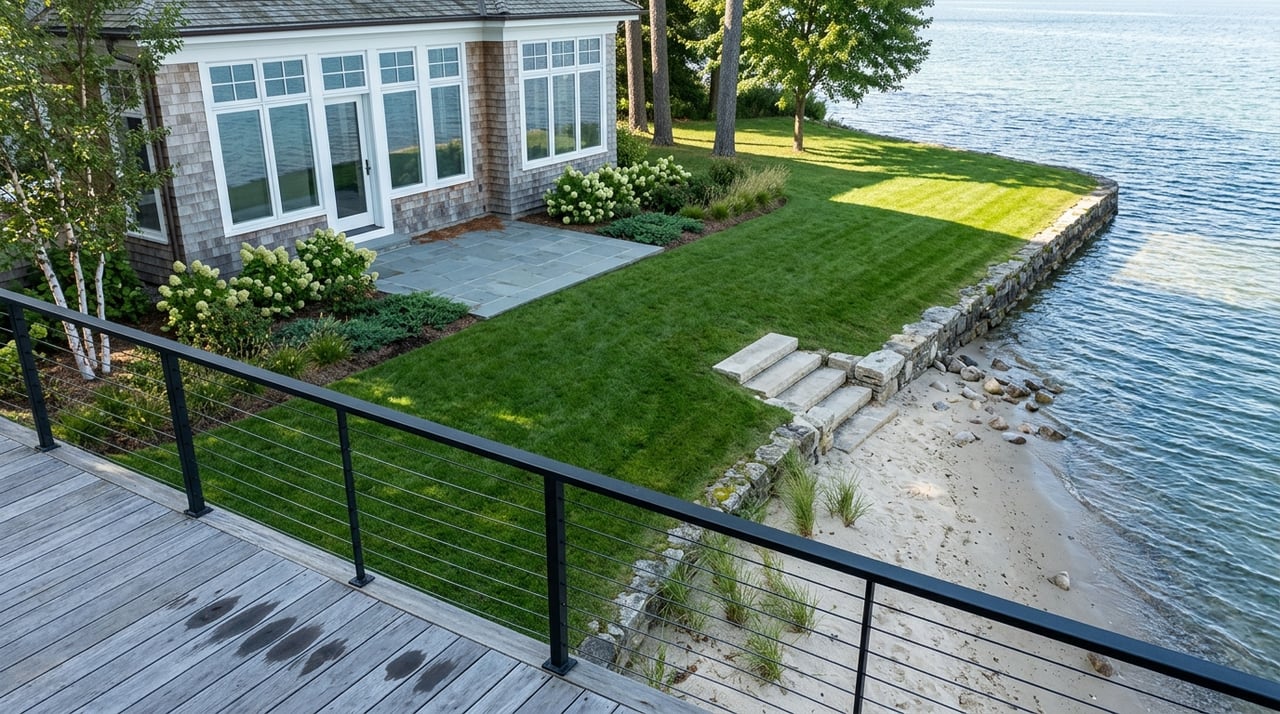
If you picture Harbor Springs as only a summer town, you are missing half the story. Life here shifts with the seasons, but it never really slows down. If you are thinking about buying, selling, or simply trying to understand what makes this waterfront community so appealing, this guide will help you see how the bay, the slopes, and downtown all work together. Let’s dive in.
Harbor Springs Starts With the Water
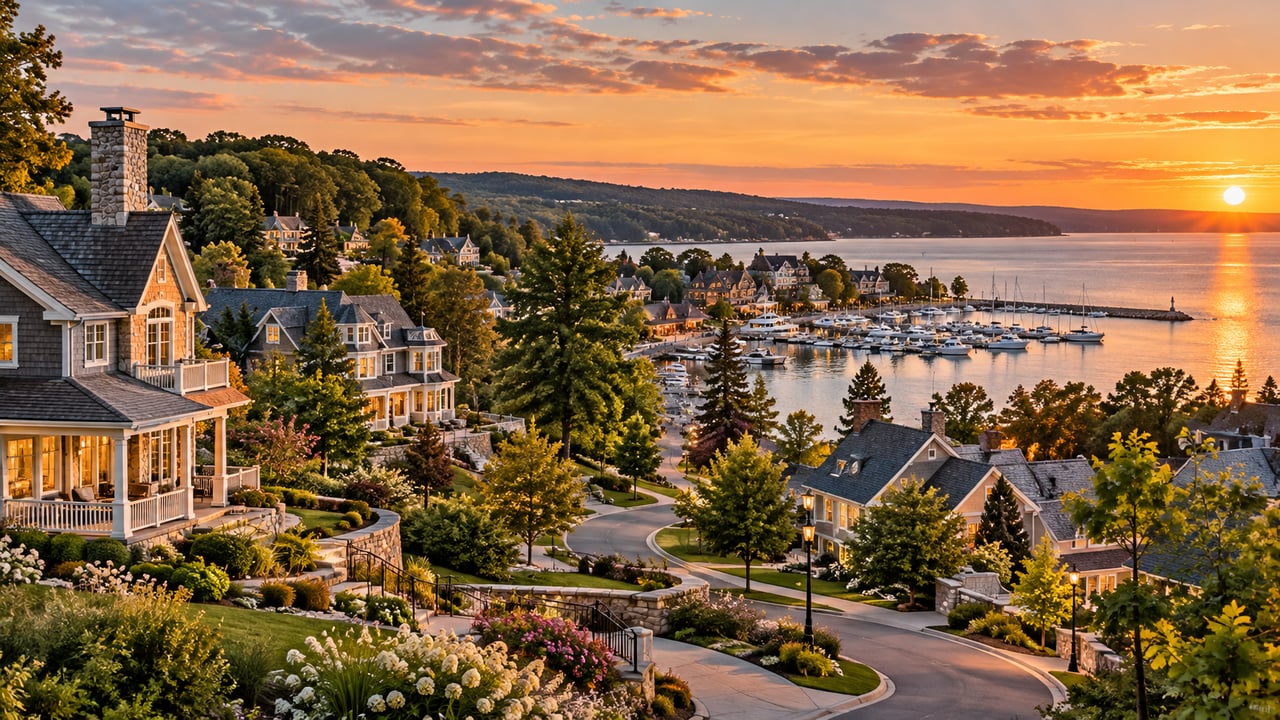
Harbor Springs sits on the north shore of Little Traverse Bay in Emmet County, and the setting shapes daily life in a very real way. The city describes the harbor as a protected 281-acre deep-water harbor sheltered by Harbor Point, which helps explain why the waterfront feels so central to the community.
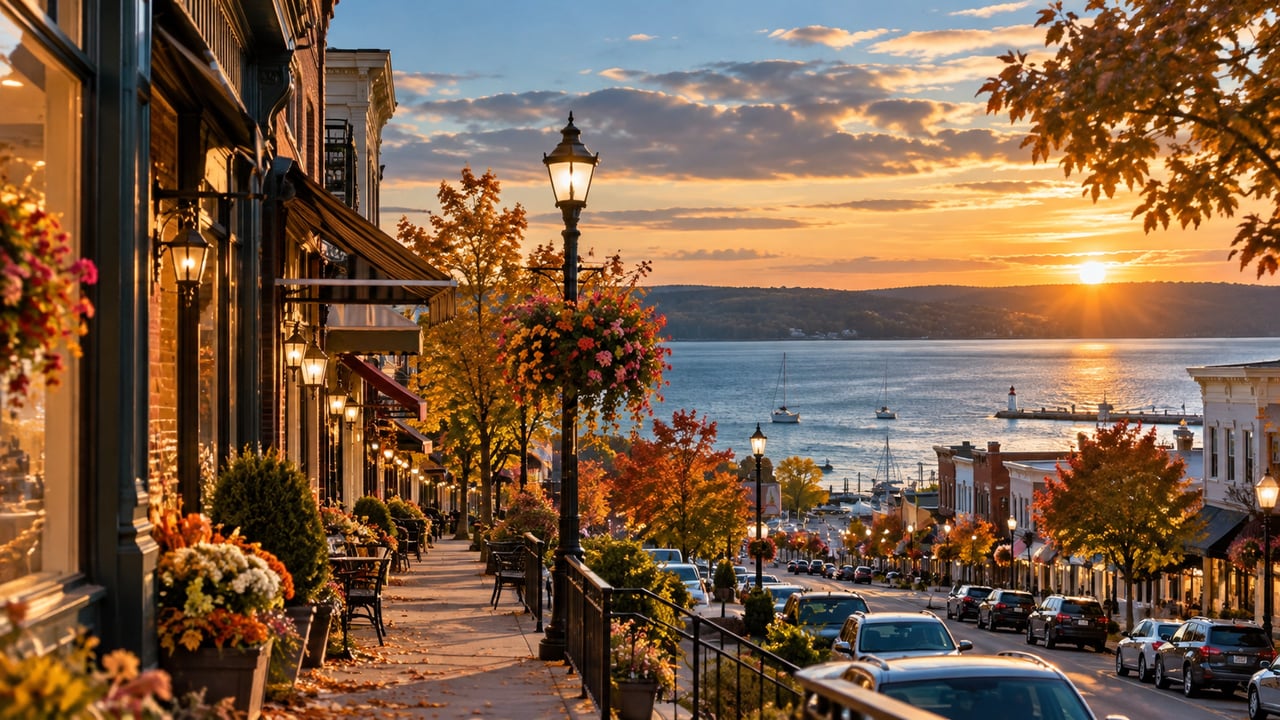
That waterfront influence carries right into town. Harbor Springs has a compact, walkable downtown, with shops and restaurants gathered near the water. For many residents and second-home owners, that means the bay is not something you drive to for a special outing. It is part of your regular routine.
The seasonal contrast is also part of the appeal. Using nearby Pellston Regional Airport as a climate guide, NOAA data shows a January mean temperature of 17.8°F and a July mean of 66.0°F, with about 30.01 inches of annual precipitation. In simple terms, you get a place that feels distinct in every season.
Summer Life Centers on the Bay
When summer arrives, the waterfront becomes the backdrop for everyday living. The municipal marina and Marina Park act as a hub for boating, walking, gathering, and spending time outdoors.
According to the city’s marina plan, the marina includes seasonal and transient slips, mooring buoys, kayak racks, fuel, pump-out service, Wi-Fi, and a courtesy dock. The city also notes that this is one of the deepest freshwater harbors in the Great Lakes, which adds to Harbor Springs’ long-standing boating culture.
For people who want easy access to the water, the public amenities are a major part of the lifestyle. The adjacent public launch at Ford Park expands access for recreational boaters, and several public shoreline spaces make it easy to enjoy the bay without needing a large setup or a full day plan.
Public beaches and launch points
Harbor Springs offers a few distinct ways to enjoy the shoreline, depending on how you like to spend your time.
- Zorn Park Beach has 400 feet of sandy frontage on Little Traverse Bay.
- Zoll Street Beach is dog-friendly and includes kayak launching.
- Josephine Ford Park includes a boat ramp, kayak launch and storage, and a ferry dock.
That variety matters if you are choosing a home based on how you actually want to live. Some buyers want to walk to the beach with a towel and a chair. Others want quick launch access for kayaking or boating before dinner.
Easy outdoor routines
Summer in Harbor Springs is not only about being on the water. The city highlights a segment of the Little Traverse Wheelway that runs through Harbor Springs, giving residents another easy way to stay active and enjoy the shoreline setting.
The Tunnel of Trees drive on M-119 also begins downtown, which adds a scenic ritual to local life. Even something as simple as a spontaneous evening drive or a relaxed bike ride can feel tied to the landscape here.
The city also points to beach-combing and rock-hounding after west winds, especially in fall, as a local shoreline pastime. That detail says a lot about Harbor Springs. The lifestyle is not always about major plans. Often, it is about small, repeatable moments by the water.
Winter Keeps Harbor Springs Moving
One of the most important things to understand about Harbor Springs is that winter is not an off-season. The city’s master plan notes that the land north of town is well suited to winter skiing and that the region’s heavy snowfall supports developed ski slopes.
That winter culture extends beyond downhill runs. The city also lists ice skating, sledding, snowmobiling, snowshoeing, and ice fishing among the area’s cold-weather activities. For many homeowners, this is a major reason the community feels lively and useful year-round.
Ski access shapes the lifestyle
Two major resorts help define the winter pattern near Harbor Springs. The Highlands at Harbor Springs is described by the chamber as a four-season resort offering the most skiable acreage in Michigan and the highest vertical skiing and snowboarding in the Lower Peninsula.
The Highlands also includes cross-country skiing, snowshoeing, tubing, dog sledding, spa services, and golf in the warmer months. That range of activities supports the broader idea that Harbor Springs is built for people who want recreation woven into daily life.
Nub’s Nob adds another strong piece to the winter identity. Operating since 1958, the resort reports 53 ski runs, 427 feet of vertical drop, 123 inches of average annual natural snowfall, two terrain parks, and 97 percent snowmaking coverage.
If you are considering a home here, proximity to the ski corridor can be just as important as proximity to the bay. For some buyers, the ideal property is one that makes first tracks in the morning and waterfront dining later the same day feel completely normal.
Downtown Makes the Lifestyle Feel Effortless
Harbor Springs’ compact downtown is a big reason the town feels so easy to enjoy. The city’s planning documents describe it as walkable, and that pattern supports a lifestyle where dining, errands, events, and waterfront views can all fit into a single outing.
The dining scene reflects that waterfront identity. Chamber listings note that Stafford’s Pier Restaurant is built on original pilings over the harbor, while The New York Restaurant overlooks the Little Traverse Bay waterfront.
That matters because it changes how you use the town. In Harbor Springs, a lake view dinner or an evening stroll near the marina can feel like part of a regular week, not a rare occasion.
Waterfront events add rhythm to the year
Community events also play a big role in the Harbor Springs lifestyle. Chamber information highlights annual bayfront traditions such as the 4th of July parade and art show with fireworks over the harbor, Friday Night Music in the Park at Marina Park, and the Annual Taste of Harbor Springs at Marina Park.
The city also notes that Marina Park hosts many community gatherings. For homeowners, that creates a strong sense of seasonal rhythm. There are natural times to gather, connect, and enjoy the waterfront in a way that feels rooted in place.
What Types of Homes Fit This Lifestyle
In Harbor Springs, the right home often depends on how you want your days to unfold. The most useful way to think about property here is through lifestyle patterns rather than formal labels.
Marina-adjacent and in-town homes
If you want walk-to-water convenience, marina-adjacent homes and in-town cottages are a natural fit. These locations tend to support a lifestyle built around downtown access, shoreline walks, dining near the harbor, and easy use of parks and public waterfront spaces.
For buyers relocating from outside the area, this kind of setting can make the transition easier. You can get oriented quickly and enjoy the town without needing long drives for everyday activities.
Bluff and Harbor Point-area settings
If your priority is views and a more private feel, bluff locations or Harbor Point-area settings may align better with your goals. These areas connect more directly with the visual side of Harbor Springs, where the water is part of what you see and feel from home.
For many lifestyle buyers, that sense of outlook and separation is a key part of the decision. The appeal is less about being in the middle of activity and more about having a quieter vantage point near it.
Homes near the ski corridor
If winter access is high on your list, homes closer to the resort corridor can make a lot of sense. These locations support quick trips to The Highlands and Nub’s Nob while still keeping Harbor Springs’ downtown and bay within reach.
That can be especially appealing if you want a four-season second home or a primary residence that stays active all year. In practical terms, it gives you more ways to use the property across the calendar.
Why This Matters for Buyers and Sellers
For buyers, Harbor Springs stands out because it offers more than one version of waterfront living. You can center your search on boating, beaches, downtown walkability, ski access, privacy, or a mix of all of them.
For sellers, that same variety is important when positioning a home. A property here is not only about square footage or finishes. It is also about what kind of Harbor Springs experience it makes possible.
That is where local guidance matters. Understanding how a home connects to the marina, downtown, shoreline parks, or the ski corridor can help you evaluate value more clearly and market a property more effectively.
Whether you are looking for a seasonal retreat, planning a move to Northern Michigan, or preparing to sell a well-loved home, Harbor Springs rewards a thoughtful, place-based approach. If you want help understanding which part of this lifestyle fits you best, connect with Kristin Keiswetter Clark for knowledgeable, personalized guidance.
FAQs
What is waterfront living like in Harbor Springs, Michigan?
- Waterfront living in Harbor Springs often includes close access to Little Traverse Bay, the municipal marina, public beaches, boating amenities, and a walkable downtown near the harbor.
Is Harbor Springs only busy during summer?
- No. The city identifies winter recreation as a major part of local life, including skiing, snowshoeing, sledding, ice skating, snowmobiling, and ice fishing.
What ski areas are near Harbor Springs?
- The two major ski destinations near Harbor Springs are The Highlands at Harbor Springs and Nub’s Nob, both of which help shape the area’s four-season lifestyle.
Are there public beaches and boat access in Harbor Springs?
- Yes. Zorn Park Beach, Zoll Street Beach, and Josephine Ford Park provide public shoreline access, and Ford Park includes a public launch for recreational boaters.
What kind of home fits a Harbor Springs lifestyle best?
- The best fit depends on your priorities, whether that means walkable in-town convenience, water views and privacy, or quicker access to the nearby ski corridor.