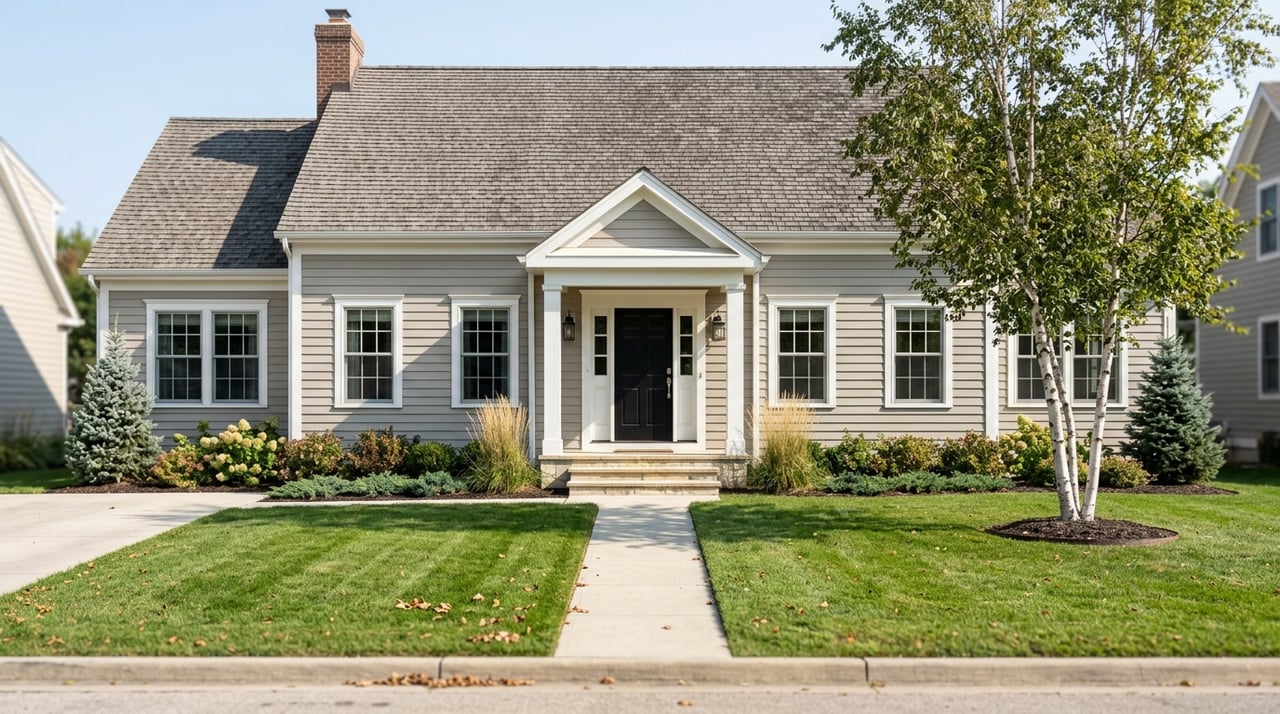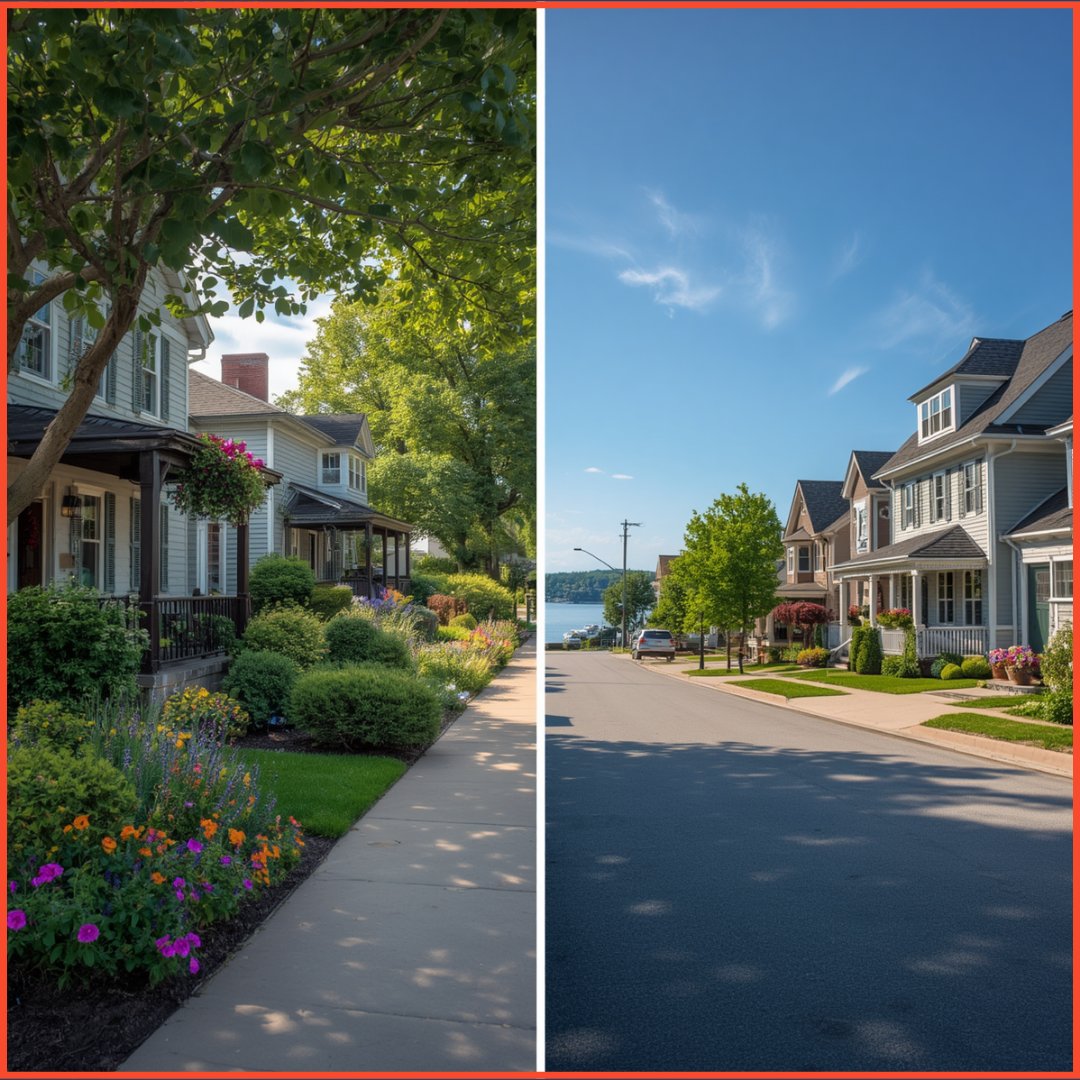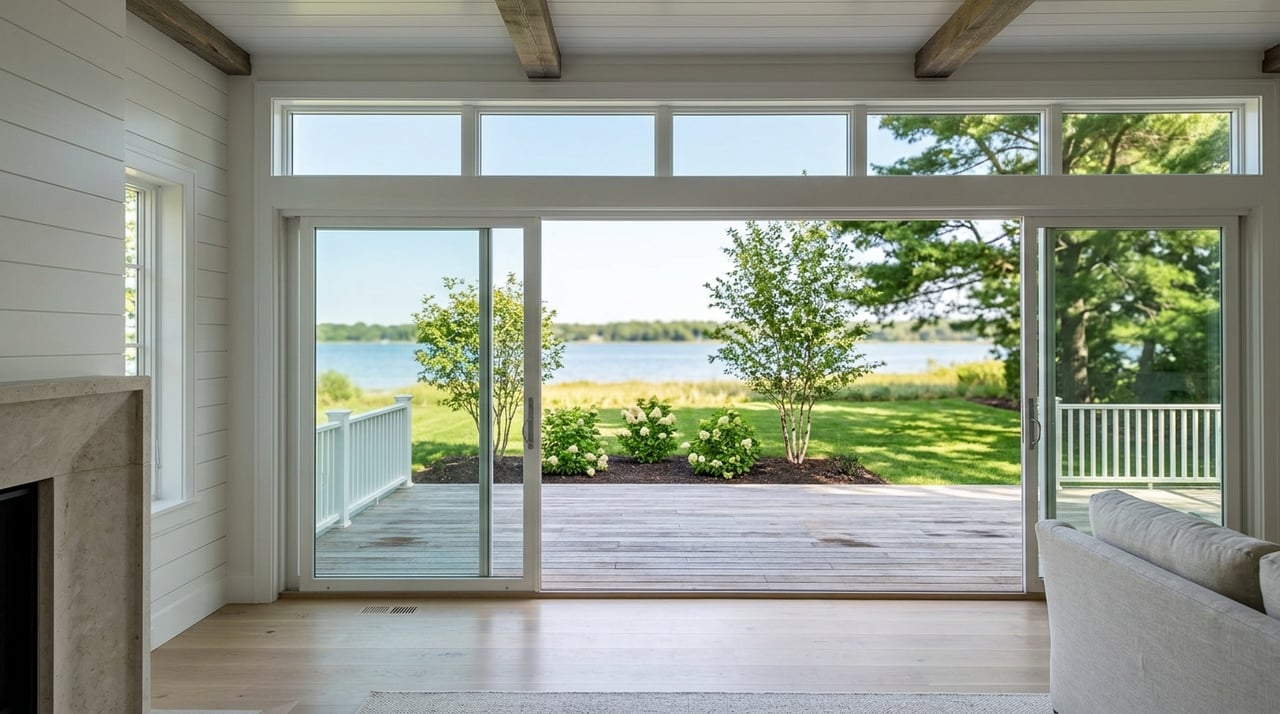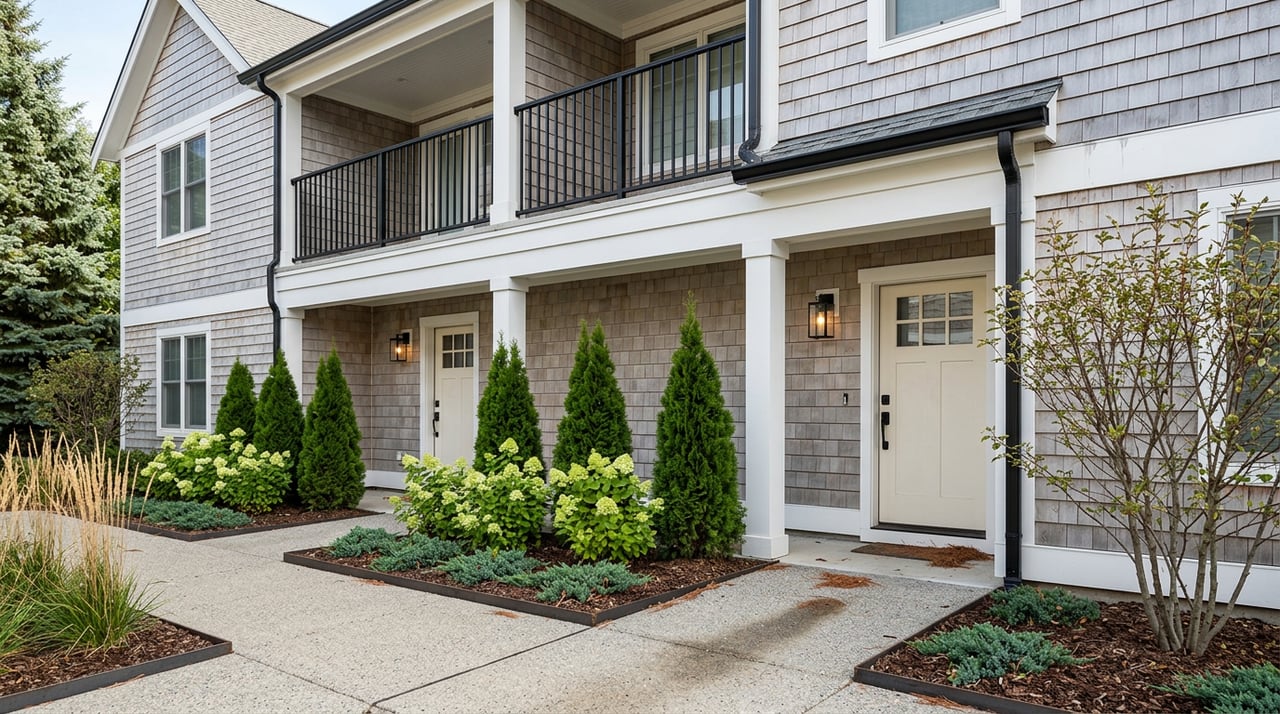
Picture your ideal Harbor Springs day. Is it a lazy morning on a balcony a short walk from the marina, or a quiet coffee on your own wooded lot near the bay? Choosing between a condo and a classic Up North cottage is a lifestyle decision as much as a financial one. In this guide, you’ll compare costs, maintenance, rental rules, and financing, all specific to Harbor Springs in Emmet County. You’ll also get simple checklists to shorten your search. Let’s dive in.
Harbor Springs snapshot: market and lifestyle
Harbor Springs sits on Little Traverse Bay with year-round appeal. You’ll find walkable access to Zorn Beach, the municipal marina, and downtown parks, which makes both condos and cottages attractive if you value water, trails, and town. Explore public amenities through the City’s guide to the parks and municipal marina.
On pricing, inventory is tight and waterfront carries a premium. Zillow’s Home Value Index estimates Harbor Springs around $544,900 based on data through January 31, 2026. Different local reports show a wide range because small sample sizes and seasonality move medians quickly. The takeaway is simple: compare by micro-location and property type rather than relying on a single citywide number.
Short-term rental demand is highly seasonal. Summer bookings drive the strongest rates, while shoulder and winter months vary by property class. Market analytics for Harbor Springs show median nightly rates in the low-to-mid $300s to $500+ and median occupancy near the low 30 percent range, with top performers doing better in peak months. You can review local seasonality patterns in the Harbor Springs STR market overview.
Condo vs cottage: what really differs
Maintenance and ease
- Condo: Exterior care, snow removal, landscaping, and common-area insurance are usually included in HOA dues. Many Harbor Springs associations also maintain pools, clubhouses, and beach access. You trade weekend chores for a predictable monthly fee.
- Cottage: You manage everything outside your walls. That can include roof, siding, lawn, septic, and winterization. Northern Michigan vacation homes often need seasonal prep; common winterization tasks run from the low hundreds to a few thousand dollars depending on scope, according to national estimates for winterizing a house.
Space, privacy, and land
- Condo: You share walls and common areas. You may have a deck or patio and access to shared green space or waterfront, but not usually a private yard. If you prefer a lock-and-leave setup and on-site amenities, condos are often a fit.
- Cottage: You gain privacy and control of land. For true bayfront or lakefront parcels, land scarcity often supports long-term value. Waterfront ownership also brings added responsibilities like shoreline upkeep and, in some cases, permits.
Amenities and access
- Condo: Associations in Harbor Springs commonly bundle amenities that are costly to replicate as a single owner, such as indoor or outdoor pools, tennis or pickleball, trail connections, and managed beach access. That package can make a second home easier to enjoy.
- Cottage: You control your yard and can pursue private docks or boat lifts, subject to permitting and association or township rules. On the Great Lakes and inland lakes, certain shoreline projects require state review. Michigan’s guidance on shoreline protection permits is a helpful starting point.
Cost, dues, taxes, and insurance
- Purchase price: Condos often offer a lower entry price for the location and amenity mix compared with similarly situated single-family cottages. Waterfront cottages can command substantial premiums.
- Carrying costs: Condo owners pay monthly HOA dues that typically cover exterior maintenance and amenities, plus a condo insurance policy (HO-6) and utilities. Cottage owners pay for full homeowner’s insurance, utilities, and all maintenance vendors. In winter climates, plan for snow removal and seasonal checks even if you are away.
- Flood and exposure: Some waterfront parcels fall within FEMA flood zones or present higher wind and water exposure. Before you finalize an offer, check the FEMA Map Service Center for the parcel and price out flood and homeowners insurance with your carrier.
Financing differences
Condo loans can hinge on the project’s eligibility. Lenders and agencies review whether a condo is “warrantable,” which impacts down payment, interest rate, and available loan programs. Ask your lender to evaluate the association early, referencing Fannie Mae’s condominium project standards. Well-managed reserves and clear budgets help.
Short-term rentals: Harbor Springs rules that matter
If rental income is part of your plan, Harbor Springs has an active licensing program for short-term rentals (less than 30 consecutive days). Before you buy, confirm the property’s eligibility and any caps that may apply. Start with the City’s Short Term Rental Program page.
Here are key highlights from the City’s rules and ordinances:
- A City short-term rental license is required annually. Licenses are issued to natural persons associated with a specific property, and the licensee must own at least 50 percent or have effective control. See the adopted ordinance text in Ordinance No. 437.
- A local agent must be designated and able to respond within 60 minutes.
- In certain residential districts, the City caps the number of STR licenses and maintains a public waiting list. The City’s renewal rules reference a $35 annual continuation fee for the waiting list. Review the City’s renewal and waiting list rules for details.
- Accessory Dwelling Units are excluded from STR use under zoning updates in Ordinance No. 439.
Note that many owners opt for monthly or seasonal stays at 30+ nights, which fall outside the City’s STR definition. HOAs often have their own rental minimums, so check association rules even if the City approves your license.
Your decision framework
Use these core factors to guide your choice, then rank them by importance for your situation:
- Lifestyle: Do you want low-maintenance living with built-in amenities, or private land and storage for boats and gear?
- Use case: Is this full-time, part-time, or rental-focused? If rentals matter, align your plan with City licensing and HOA rules.
- Cost and cash flow: Compare a condo’s purchase price plus HOA dues to a cottage’s maintenance, winterization, shoreline work, and insurance. Conservative assumptions help.
- Financing: If you lean condo, ask your lender to evaluate warrantability early.
- Waterfront obligations: If a cottage is on the bay or an inland lake, plan time and budget for shoreline permits and inspections. Start with Michigan EGLE’s shoreline permitting guidance.
Quick due-diligence checklists
For condos
- Request HOA governing documents and rental policy, including minimum stays and guest rules.
- Review the current budget, most recent reserve study, special assessments, and dues delinquency rate. These items also impact warrantability per Fannie Mae’s project standards.
- Ask for the master insurance policy and clarify what the owner’s HO-6 must cover.
- Confirm monthly dues and the exact services included, such as exterior maintenance, snow removal, water, trash, pool, and clubhouse.
For cottages and lakefront homes
- Verify flood zone status with the FEMA Map Service Center and obtain quotes for homeowners and flood insurance.
- Request any prior shoreline permits, note existing seawalls or riprap, and plan for EGLE and possibly U.S. Army Corps review if you anticipate changes. See Michigan’s shoreline protection page.
- Confirm septic or sewer, well or municipal water, and seasonal responsibilities. Budget seasonal maintenance using national winterization cost estimates.
For rentals and investors
- Confirm the parcel’s STR license status and whether it sits in a capped district on the City’s STR information page.
- Check HOA rental limits and minimum stays.
- Estimate achievable ADR and occupancy for your property class using local comps or a manager. For seasonal context, see the Harbor Springs STR analytics.
Example: simple STR math you can adapt
This illustration uses median-level figures to show how a condo’s HOA affects cash flow. Your property, calendar, and marketing will change the results.
- Assumptions: median nightly ADR about $382 and median occupancy near 31 percent for Harbor Springs. That yields roughly 113 booked nights per year in a typical median scenario. Source: Harbor Springs STR analytics.
- Gross revenue estimate: 113 nights x $382 ≈ $43,200 per year.
- Subtract a sample condo HOA of $500 per month: $6,000 per year.
- Remainder: about $37,200 before mortgage, utilities, management, cleaning, repairs, insurance, taxes, and marketing.
Many Harbor Springs properties prefer monthly or weekly stays, which changes ADR, occupancy, and expenses. Always run property-specific numbers, layer in seasonality, and confirm license and HOA rules first.
When a condo often wins
- You want low-maintenance living with on-site amenities and reliable services.
- You expect to visit for long weekends or a few weeks per year and prefer a true lock-and-leave.
- You value walkability to downtown, beach access, and managed snow removal in winter.
- Your financing plan favors a warrantable project with predictable monthly dues.
When a cottage shines
- You want privacy, your own outdoor space, and flexibility for storage or projects.
- You plan to host extended family or longer summer stays and want room to spread out.
- You are targeting a specific waterfront setting where land scarcity supports long-term value.
- You are comfortable managing contractors, seasonal maintenance, and, if applicable, shoreline permits.
Next steps and local guidance
Two local realities often decide the path in Harbor Springs: the City’s STR licensing rules and the obligations that come with waterfront land. If either is central to your plan, surface them early in your search. Pull HOA documents or shoreline permits during due diligence, and ask your lender to review a condo’s project status before you fall in love with a unit.
If you would like a clear, side-by-side look at your top options, reach out. I’ll help you match lifestyle goals with the right neighborhood and property type, and connect you with local lenders, managers, and contractors as needed. Ready to move thoughtfully? Plan your next step with Kristin Keiswetter Clark.
FAQs
What should I know about Harbor Springs short-term rental rules?
- The City requires an annual STR license for stays under 30 days, caps licenses in some districts, requires a local agent, and excludes ADUs; start with the City’s STR page for current details.
How do condo HOA dues compare to cottage costs in Harbor Springs?
- Condos bundle exterior care and amenities into monthly dues, while cottages pay vendors directly for maintenance, winterization, and insurance; compare the all-in annual totals for a fair view.
What is a warrantable condo and why does it matter?
- A warrantable condo meets lender and agency standards for project health, which can improve loan options and rates; ask your lender to review the association early against Fannie Mae guidelines.
Do I need permits for shoreline work on a Harbor Springs cottage?
- Many shoreline projects on the Great Lakes and inland lakes require state review; consult Michigan EGLE early to budget time and costs and to explore bioengineered options.
How seasonal is rental demand in Harbor Springs?
- Summer typically drives the highest rates and occupancy, with shoulder seasons quieter; plan pricing and expenses around this pattern and confirm your property’s license and HOA rules first.