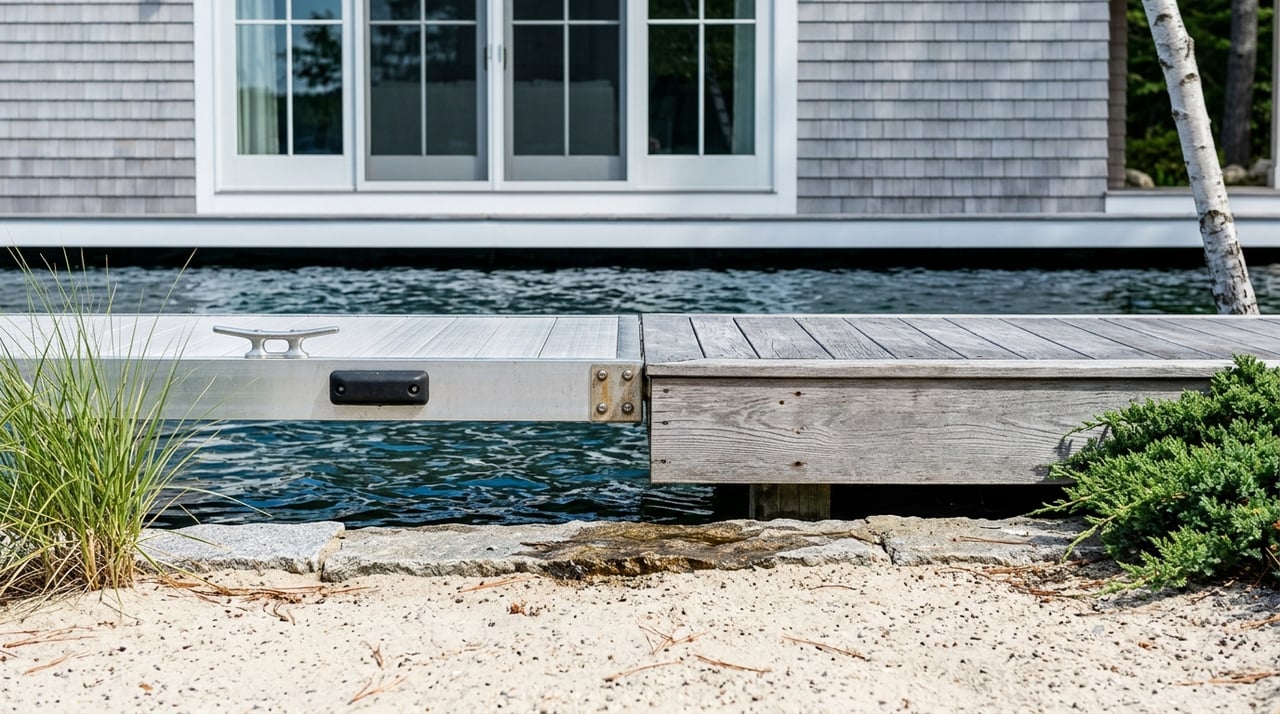
If you are dreaming about buying on Walloon Lake, the boating lifestyle can feel simple at first glance. Then the real questions start showing up. Can you put in a dock, use a lift, reach safe boating depth, or count on a marina slip if the property itself does not solve it? Knowing those details before you buy can save you time, money, and frustration. Let’s dive in.
Why docks matter on Walloon Lake
Walloon Lake offers a beautiful boating experience, but it is not one-size-fits-all. Published lake figures vary slightly by source, yet the consistent picture is a large inland lake with roughly 30 miles of shoreline, a maximum depth of about 100 feet, and five basins with very different depths.
That depth variation changes how a property lives day to day. One home may have quick access to deeper water, while another sits closer to a shallow bay, sandbar area, or more protected shoreline. If boating is central to your lifestyle, the property’s water depth and dock setup matter just as much as the house itself.
Understand Walloon Lake’s water conditions
Walloon Lake is known for clear water and an oligotrophic lake system, which means it has high clarity and lower nutrient levels. It is also primarily groundwater-fed and drains through the Bear River to Little Traverse Bay.
For buyers, the key point is that Walloon includes both deep and shallow areas. The West Arm reaches about 100 feet, while Mud Basin is much shallower at about 14 feet. That mix affects boat handling, wake patterns, shoreline use, and the type of boating experience you can expect near a given property.
Depth affects daily boating
A home on the main basin may offer a different experience than one on a protected bay or near a sandbar. Shallower areas can be more sensitive to wake disturbance, sediment movement, and congestion.
If you want calmer conditions, it is worth looking closely at where a property sits on the lake. In practical terms, buyers should pay attention to whether the shoreline is in a busier boating corridor, a gathering area, or a more sheltered section.
Dock rules vary by township
This is one of the biggest things to know before you buy on Walloon Lake. The lake spans Emmet and Charlevoix counties and borders five different townships, so dock rules are not uniform from one property to the next.
That means you should never assume a neighboring property’s setup automatically applies to the one you want to buy. Before you move forward, confirm which township governs the parcel and what that local zoning ordinance allows.
Seasonal vs. permanent docks
On Michigan inland lakes, EGLE requires a permit for permanent docks or boat hoists. Seasonal private, noncommercial docks or hoists that are removed at the end of the boating season generally do not require a permit, as long as they do not unreasonably interfere with others or affect water flow.
That distinction matters because many Walloon Lake owners use seasonal systems. A dock that is installed each spring and removed in fall may fit both local practice and the property’s shoreline conditions.
Local examples buyers should know
Township ordinances can differ in meaningful ways. Research for Walloon Lake shows examples such as:
- Evangeline Township allows one seasonal dock per waterfront lot and limits dock length to 150 feet or the distance needed to reach four feet of water, whichever is greater.
- Melrose Township limits boat docks to one per 100 feet of lot width and prohibits docks from impeding adjoining properties.
- Bear Creek Township prohibits docks, hoists, or mooring devices on road ends or public access sites except for township-provided nonexclusive docks.
Those examples show why waterfront access should always be verified, not assumed. A lot may be on the lake, but the practical use of that frontage can still depend on local rules.
Seasonal installation is part of the market
On Walloon Lake, seasonal dock and lift service is normal. Local marine providers build docks in the off-season, install them in spring, and remove them in fall, with storage often available after removal.
For you as a buyer, this means dock ownership is only part of the equation. You should also ask who handles seasonal install and removal, where components are stored, and whether the current system is sized appropriately for the property and your boat.
Ask these dock questions before buying
A waterfront showing can be exciting, but this is the stage where practical questions matter most. Before you commit, ask for clarity on the details that shape actual use.
Consider asking:
- Is the existing dock seasonal or permanent?
- Was any permit required for the current setup?
- Is a boat hoist or lift allowed on this parcel?
- Which township governs the property?
- What are the local dock length and placement rules?
- How much water depth is available at the dock area?
- Does the dock location affect neighboring properties?
- Who currently handles spring installation and fall removal?
- Is off-season storage arranged locally?
- If private frontage is limited, does the owner rely on a marina slip or public launch?
These questions can help you separate a beautiful waterfront property from a truly functional boating property.
Public access is limited
Walloon Lake does offer public access, but it is limited compared with the lake’s overall shoreline. Jones Landing is identified as one of the few public access locations and includes a boat launch, beach, restrooms, picnic area, and playground.
There is also carry-in access at Melrose Township Park Access Site just south of Walloon Lake, with parking, flush toilets, potable water, and a beach. In addition, Walloon Lake resources list boat-cleaning stations at Jones Landing, Sumner Road Boat Launch, Townsend Road Boat Launch, and Walloon Village Boat Launch.
Why limited access matters for buyers
If the property you are considering does not have straightforward private dock use, public access may not feel like an equal substitute. Limited launch points can shape convenience, timing, and how often you realistically get out on the water.
That is especially important for second-home buyers or relocating buyers who want a smooth, low-hassle setup. If boating is a priority, private frontage, legal dock rights, and depth at the shoreline deserve close review.
Marina and slip options on Walloon Lake
For some buyers, a marina solution can work well. Legacy Water Sports & Marina operates Walloon Lake Marina on M-75 and offers boat rentals, marina services, gas dock access, and rental slips.
Its Walloon Lake slips accommodate boats up to 25 feet and have limited availability. That makes it smart to verify slip options early if a property does not fully support your boating plans on its own.
Walloon Central Marine is another important local resource, focusing on dock and lift sales, installation, repair, hauling, storage, and boat sales. If you are evaluating a home with seasonal equipment, local service relationships can be a meaningful advantage.
Boating etiquette shapes the ownership experience
On Walloon Lake, boating is a major part of the lifestyle, but so is shoreline stewardship. Because the lake includes shallow arms, bays, and sandbar areas, wake and sound can affect the experience for nearby property owners and boaters.
WLAC’s boating guidance says wake boats should operate in surf mode only in water deeper than 20 feet and stay at least 500 feet from shorelines, docks, and other boats when making wakes. It also says all motorized boats should minimize wakes in water less than 10 feet deep and remain no-wake within 200 feet of shorelines and docks.
Sound and traffic can vary by location
Where you buy on Walloon Lake can affect what you hear and feel through the boating season. WLAC notes that sound travels far across the water and encourages boaters to keep speakers inside and lower volume near homes, docks, and anchored swimmers.
Popular gathering areas can also get busy. Local Walloon information identifies Flag Point Sand Bar as a very popular spot and notes that arriving before noon on weekends is often best, while the smaller channel sandbar sees more wake.
Shoreline location changes the feel
Not every Walloon Lake property offers the same relationship to the water. The lake’s irregular shoreline and long retention period make it sensitive to shoreline impacts, and shoreline survey findings note that many properties show some alteration or erosion.
Large, powerful boats can add to erosion concerns in certain areas. For a buyer, that does not mean one part of the lake is universally better than another. It means you should think carefully about how your preferences line up with the shoreline setting.
Match the property to your boating style
If you picture long cruises and quick deep-water access, one shoreline may fit better than another. If you want quieter mornings, easier paddleboarding, or less traffic, a more protected section may be a better match.
The right property is not just about frontage. It is about whether the dock rights, water depth, boating conditions, and access pattern match how you actually want to use Walloon Lake.
A smart buying strategy on Walloon Lake
When you buy on Walloon Lake, the boating details deserve the same level of review as the house, lot lines, and views. Dock rights, township rules, shoreline depth, and service logistics can all affect how enjoyable and practical ownership feels.
This is where local, property-specific guidance matters. A thoughtful review upfront can help you avoid surprises and focus on homes that truly fit your life on the lake.
If you are considering a Walloon Lake purchase and want help evaluating frontage, dock questions, and the practical side of boating access, Kristin Keiswetter Clark offers the kind of local, high-touch guidance that can make your search feel far more clear and confident.
FAQs
What should you verify about a Walloon Lake dock before buying?
- You should confirm whether the dock is seasonal or permanent, which township governs the property, whether a lift or hoist is allowed, and what local zoning rules apply to dock length and placement.
Do seasonal docks on Walloon Lake need a permit?
- In Michigan, seasonal private, noncommercial docks or hoists that are removed at the end of the boating season generally do not require a permit if they do not unreasonably interfere with others or water flow, while permanent docks or hoists do require EGLE permitting.
Are dock rules the same everywhere on Walloon Lake?
- No. Walloon Lake spans five townships across Emmet and Charlevoix counties, and each township can have its own zoning rules for docks, hoists, and shoreline use.
Is public boat access easy on Walloon Lake?
- Public access exists, but it is limited relative to the amount of shoreline, which is why buyers often need to think carefully about private frontage, legal dock use, marina slips, or launch convenience.
Can you rely on a marina instead of private dock frontage on Walloon Lake?
- In some cases, yes. Walloon Lake Marina offers rental slips, marina services, and gas dock access, but slip availability is limited and current information notes accommodations for boats up to 25 feet.
How does location affect boating on Walloon Lake?
- Location can affect water depth, wake exposure, sound, traffic levels, and access to calmer or busier areas, so buyers should compare protected bays, sandbar areas, and main basin frontage based on how they want to use the lake.